Wedding photos and video in Nepal: a planning checklist
When to book, what to decide early, the schedule to share and the group photos to plan, so nothing important happens off camera.
Sunrise Photo Studio · · 3 min read
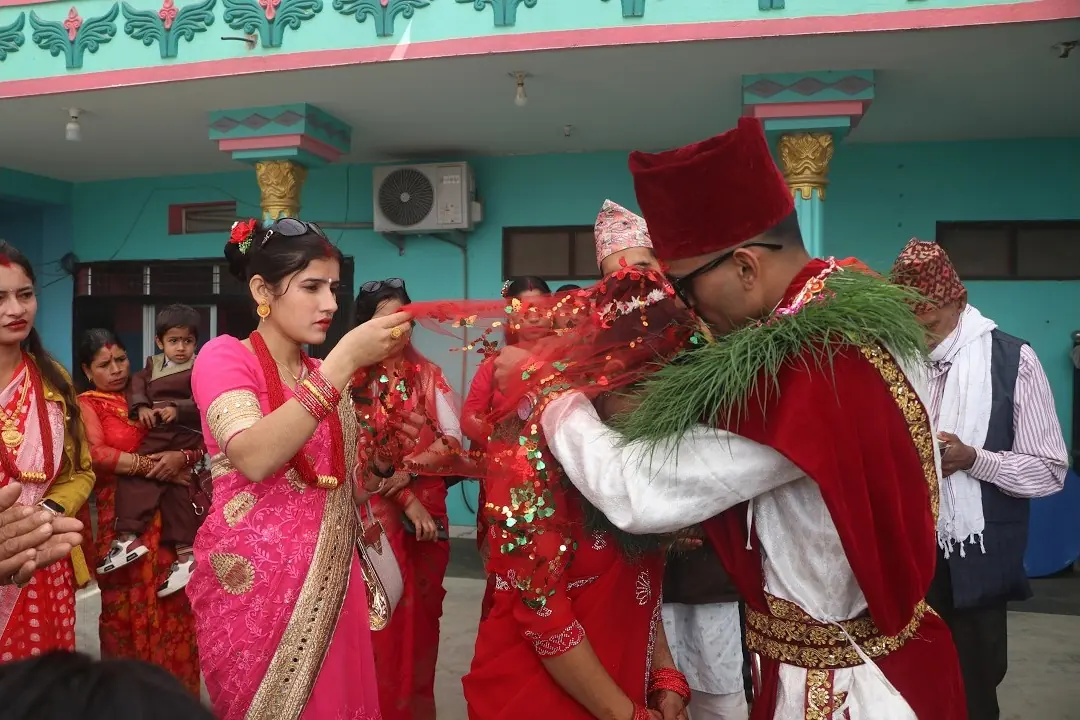
A Nepali wedding moves fast. The janti arrives, the swayambar happens, the rituals at the mandap run into the night, and by the next morning it's the bidaai. The photos and the film are what you'll keep, so a little planning goes a long way. This checklist is the order we'd do it in.
1. Book as soon as the date is fixed
Auspicious dates in the wedding season are shared by many families, so photographers and videographers get booked early. When you message a studio, send:
- The date (and the second day, if the wedding runs over two)
- The venues on both sides: home, party palace or temple
- Whether you want photos, a film, or both
- Roughly how many guests
2. Decide what you want to keep
It changes who comes on the day. A film needs a videographer as well as a photographer, and a long ceremony on both sides may need more than one of each. Think about:
- Edited photos of the whole day
- A full-length film for the family, and a short highlight to share
- An album: most families still look at their wedding this way, years later (see premium albums)
- Frames for the main portrait and a family group (see photo frames)
3. Share the schedule a week before
The single most useful thing you can give your photographer is the schedule, with the sait times from your priest. A simple table is enough:
| What | When | Where | Who must be there |
|---|---|---|---|
| Janti leaves / arrives | Groom, family, panchebaja | ||
| Swayambar | Bride, groom, both families | ||
| Kanyadan | Bride's parents | ||
| Sindur and pote | Bride, groom | ||
| Bidaai | Bride's family |
If your family or community has a ritual we might not expect, add it. Being in the right place for thirty seconds is often the whole job.
4. Name one family coordinator
Pick a relative who knows both families and isn't busy with a ritual. They find the maternal uncle for the group photo, tell us who the important elders are, and keep the schedule moving. Without one, the photographer ends up asking strangers who everyone is.
5. Plan the group photos
Group photos are the ones people look for later, and the easiest to forget. Write down the groups you want, for example:
- Bride with her parents and siblings
- The bride's maternal side (mamaghar)
- The groom's family, then both families together
- Grandparents with the couple
- Friends
The best time is when everyone is already gathered: straight after the swayambar, or before the meal is served.
6. Think about light
Much of a Nepali wedding happens at night, under strong coloured lights in a tent or a hall. That's part of the atmosphere, but it changes skin tones. If you can, keep some white light near the mandap, and plan the couple portraits for the morning or late afternoon, when the daylight is soft.
7. On the day
- Ask relatives with phones not to stand between the couple and the camera during the sindur and the kanyadan. These are the moments everyone wants, and they're over in seconds.
- Keep the ritual items (garlands, the tika plate, the pote) ready where the photographer can see them.
- Eat. It's a long day for the couple, too.
8. After the wedding
Choose the photos for your album while you still remember who everyone is, order frames for the main portrait, and share the film link with relatives who couldn't come. The films we've made are on our YouTube channel, where family abroad watch them.
If you're planning a wedding in Syangja, send us your date and we'll tell you if we're free.