Pasni and bratabandha: the photos worth planning for
The moments that make a rice feeding ceremony and a bratabandha, when they happen, and how to plan the day so the photographer catches them.
Sunrise Photo Studio · · 3 min read
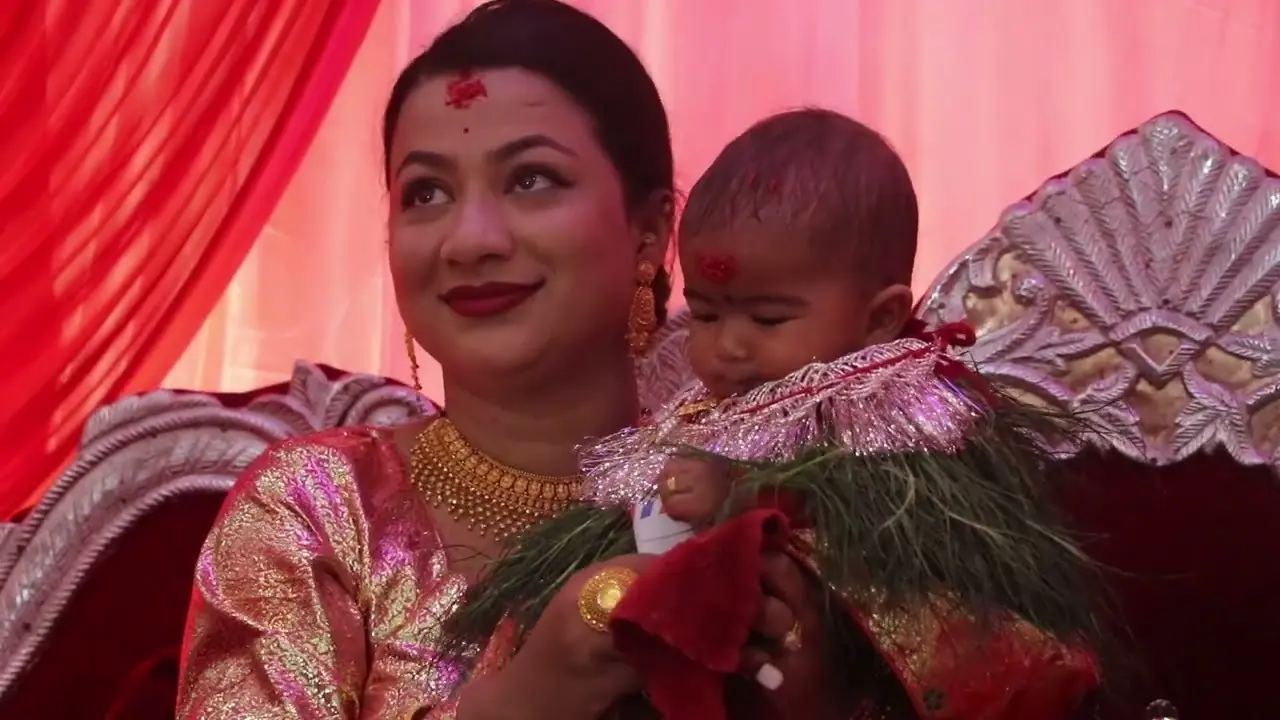
A pasni and a bratabandha each happen once in a child's life. They're shorter than a wedding, but they have their own rituals, in their own order, and the important ones are quick. Here's what to plan for.
Pasni: the first rice
The pasni (annaprashan) is a baby's first taste of rice, usually held in the fifth month for a girl and the sixth for a boy, on a day the family priest picks. Customs differ between families and communities, but these are the moments families most often ask for:
- Dressing the baby. Often in new clothes and jewellery given by the maternal family.
- The first feeding. Usually rice pudding (kheer), fed by an elder of the family, and then by each relative in turn.
- Tika and blessings from grandparents and elders.
- Choosing from the tray. Many families place objects in front of the baby (a book, a pen, money, clay, jewellery) and watch which one the baby reaches for. It's the moment everyone crowds around, so tell the photographer before it starts.
- Family groups: the baby with parents, with grandparents on both sides, and with the maternal family.
Plan around the baby
The baby decides how the day goes. Try to time the ceremony after a nap and a feed, keep the room from getting too hot and crowded, and don't worry about tears: some of the best pasni photos are of a baby who clearly did not want the rice.
Bratabandha: the sacred thread
In a bratabandha, a boy receives the sacred thread (janai) and is initiated into adulthood in the family's tradition, usually somewhere between the ages of seven and thirteen. It's a long day, and much of it happens early in the morning. The moments that make the strongest photos:
- The shaving of the head, leaving the tuft of hair (tupi). Often at dawn, so the photographer needs to arrive early.
- The saffron robes and the walking stick of an ascetic.
- Receiving the janai and the teaching from the guru, often whispered into the boy's ear under a cloth.
- The bhiksha round, when he asks his relatives for alms, starting with his mother.
- Leaving and coming back. In many families, the boy sets off as if to leave home for a life of study, and his mama (maternal uncle) brings him back. Families love this moment and it's easy to miss.
- Family groups with the boy in his robes, especially with his maternal family.
For both ceremonies
- Share the timings from the priest a few days before, including anything that happens before sunrise.
- Keep one relative free to gather people for group photos. The elders are the ones you'll most want pictures with later.
- Leave room around the ritual. Relatives with phones tend to form a wall in front of the child at the key moments. Ask them to give the photographer a gap for those few seconds.
Afterwards
Pasni and bratabandha photos make good small photo books to send to relatives abroad, and a single framed portrait of the child from the day often stays on the wall for years. You can see ceremonies we've filmed, including this pasni in Walling and a bratabandha in Tirasi, on our films page.
Planning one? Read about our family ceremony coverage or send us the date.